Termite Control Bendigo
Termites work silently, and the damage is rarely covered by insurance. BPTS protects Central Victorian homes with inspections and treatment matched to the colony — not just the visible damage.
Every stage of termite protection, handled
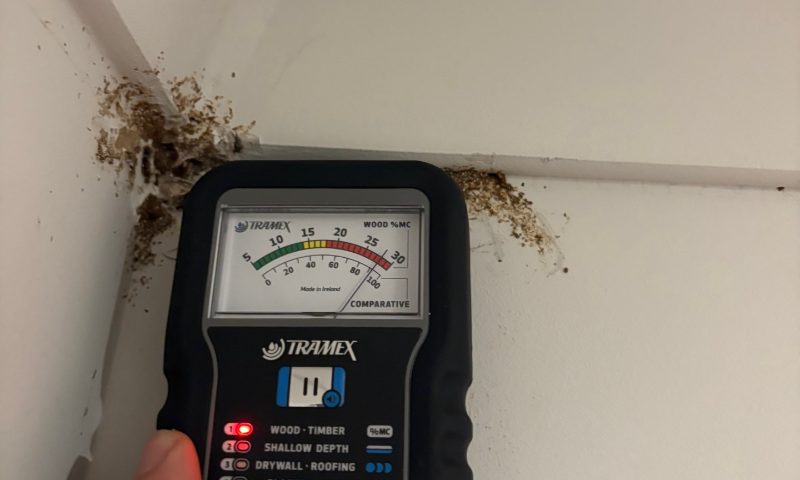
Annual AS 3660.2 inspections — roof void to subfloor, with thermal imaging and moisture detection.
Learn more →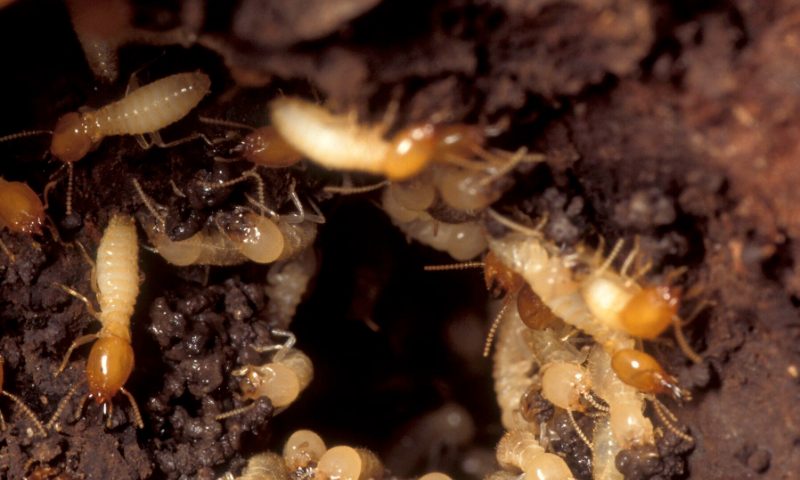
Active infestations treated by method matched to the species: chemical soil treatment, dusting or baiting.
Learn more →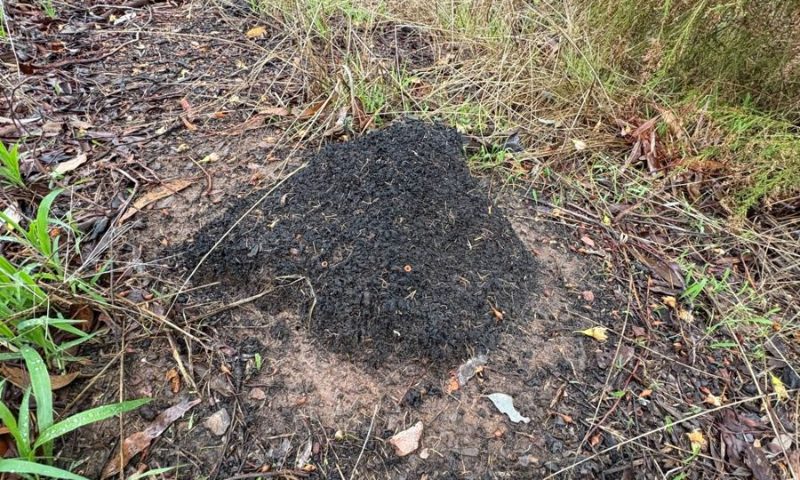
A continuous treated zone around the home, installed to AS 3660 specification.
Learn more →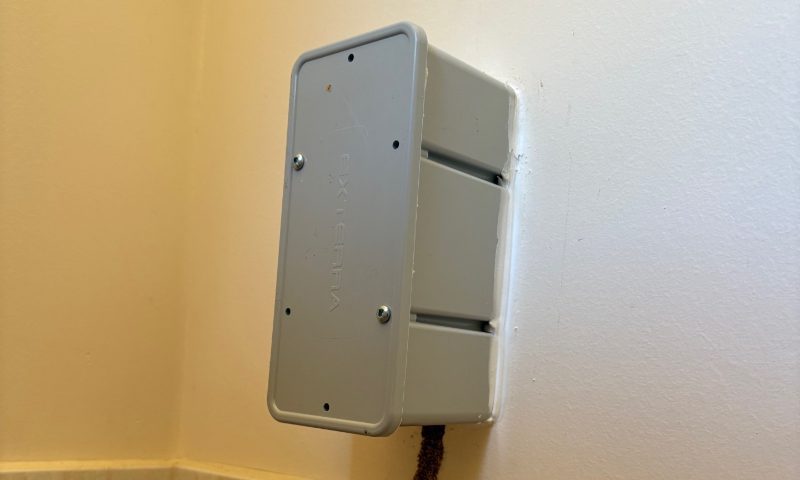
In-ground stations that intercept termites and collapse the colony at the source.
Learn more →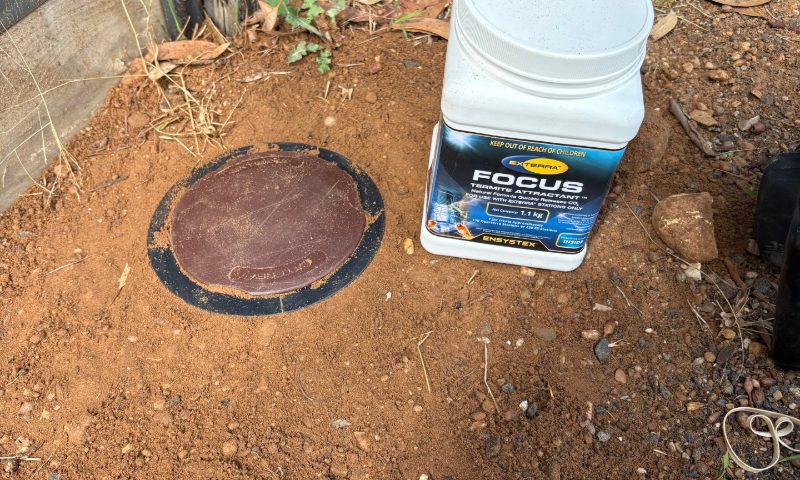
AS 3660.1 termite management designed into new builds and extensions from day one.
Learn more →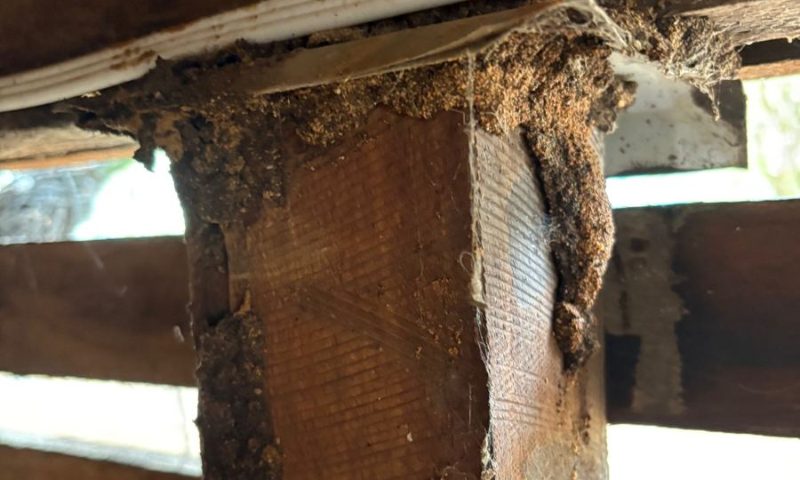
Know a property’s termite story before you sign — AS 4349.3 timber pest inspections.
Learn more →7 warning signs of termites
Central Victorian homes — especially older timber-framed properties — are prime termite territory.
Skirting boards, frames or floors that sound papery when tapped.
Pencil-width earthen tunnels on foundations, piers or walls.
Frames that suddenly jam or warp as galleries distort the timber.
Paint or plaster that ripples like water damage — but isn’t.
Swarms on warm evenings, or piles of identical wings on sills.
Springy or sagging boards as structural timbers weaken below.
Soil packed into brick weep holes, cracks or ant caps as termites seal their runways.
Termite control done by science, not guesswork
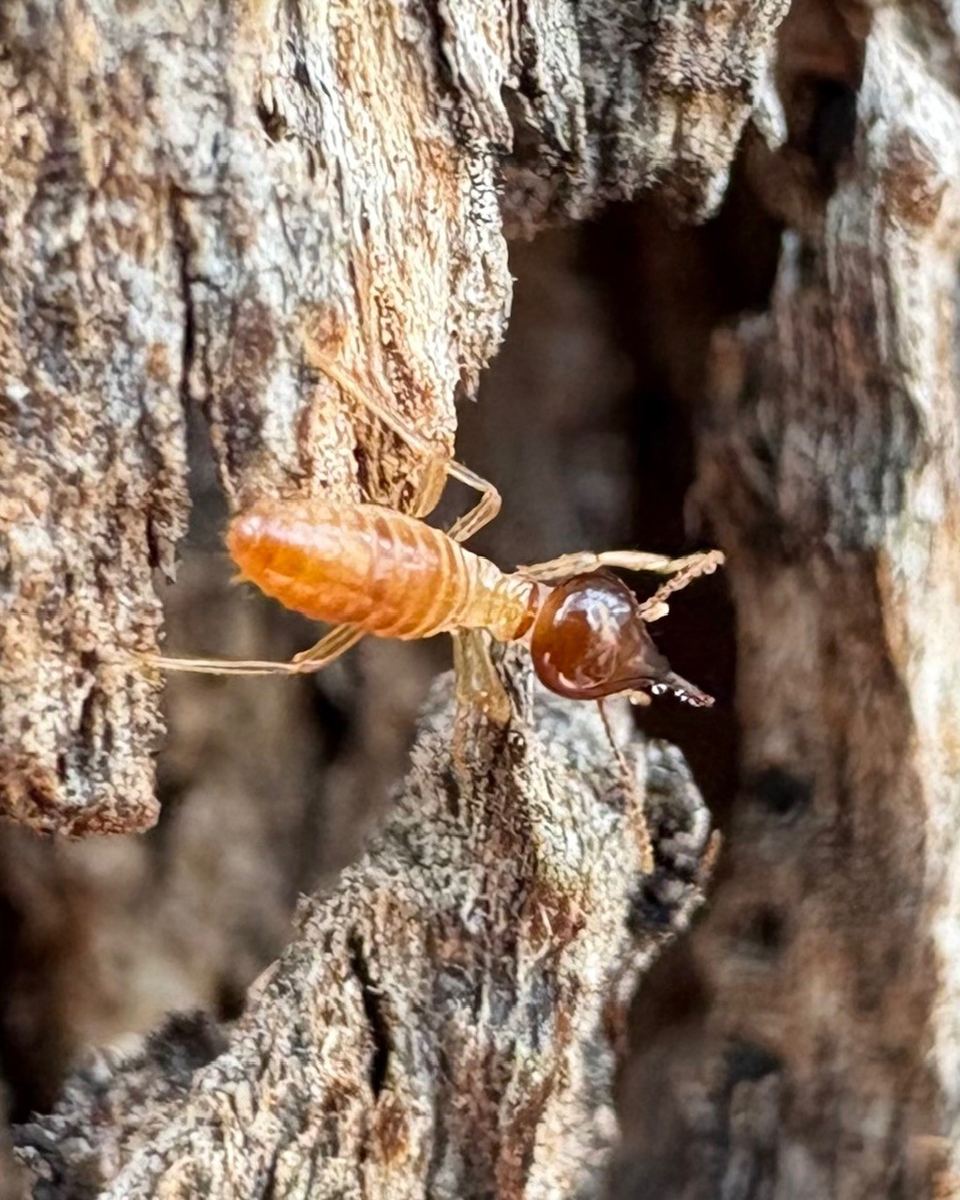
Joel reads termite behaviour — not just the visible damage — so the problem is solved at its source. The species determines the method, and Central Victoria’s main species behave very differently.
Coptotermes acinaciformis, Heterotermes spp., Nasutitermes exitiosus and dampwood termites each call for a different response.
Thermal imaging, moisture metering and a biologist’s eye for the conditions termites need.
Chemical soil treatment, baiting or barriers — chosen by the biology, not by habit.
The person who inspects is the person who designs and performs the treatment.
Termites or white ants? Same insect — ‘white ants’ is just the common Australian name.
Termite control FAQs
How often should I get a termite inspection in Bendigo?+
At least every 12 months — the AS 3660.2 recommendation, worth taking seriously in one of Victoria’s higher-pressure termite regions. See what a termite inspection covers.
I’ve found termites — should I spray them?+
No. Spraying or disturbing termites makes the colony retreat and treatment harder. Leave everything as-is and call for advice.
Does home insurance cover termite damage?+
Almost never — Australian policies routinely exclude it. Prevention and early detection are the only real safety nets.
What’s the difference between a barrier and baiting?+
A barrier creates a continuous treated zone termites can’t cross undetected; baiting intercepts and eliminates the colony itself. The right choice depends on your soil, construction and the species present.
What does termite treatment cost?+
It varies with the property, the species and the extent of activity. Call 0467 857 177 and Joel will talk you through a quote.
Servicing: Bendigo CBD, Kangaroo Flat, Strathdale, Epsom, Eaglehawk, White Hills, Golden Square, Kennington, Flora Hill, Huntly, Maiden Gully, Strathfieldsaye, Heathcote, Castlemaine, Kyneton, Daylesford, the Macedon Ranges and 80+ more areas →
Protect your home today.
Book an AS 3660.2 termite inspection with an accredited Field Biologist and know exactly where your home stands.