Pre-Construction Termite Protection Bendigo
Termite protection is strongest and simplest before the slab goes down — and a termite management system is required under the National Construction Code in termite-risk areas like Central Victoria.
Why new builds in Bendigo need it
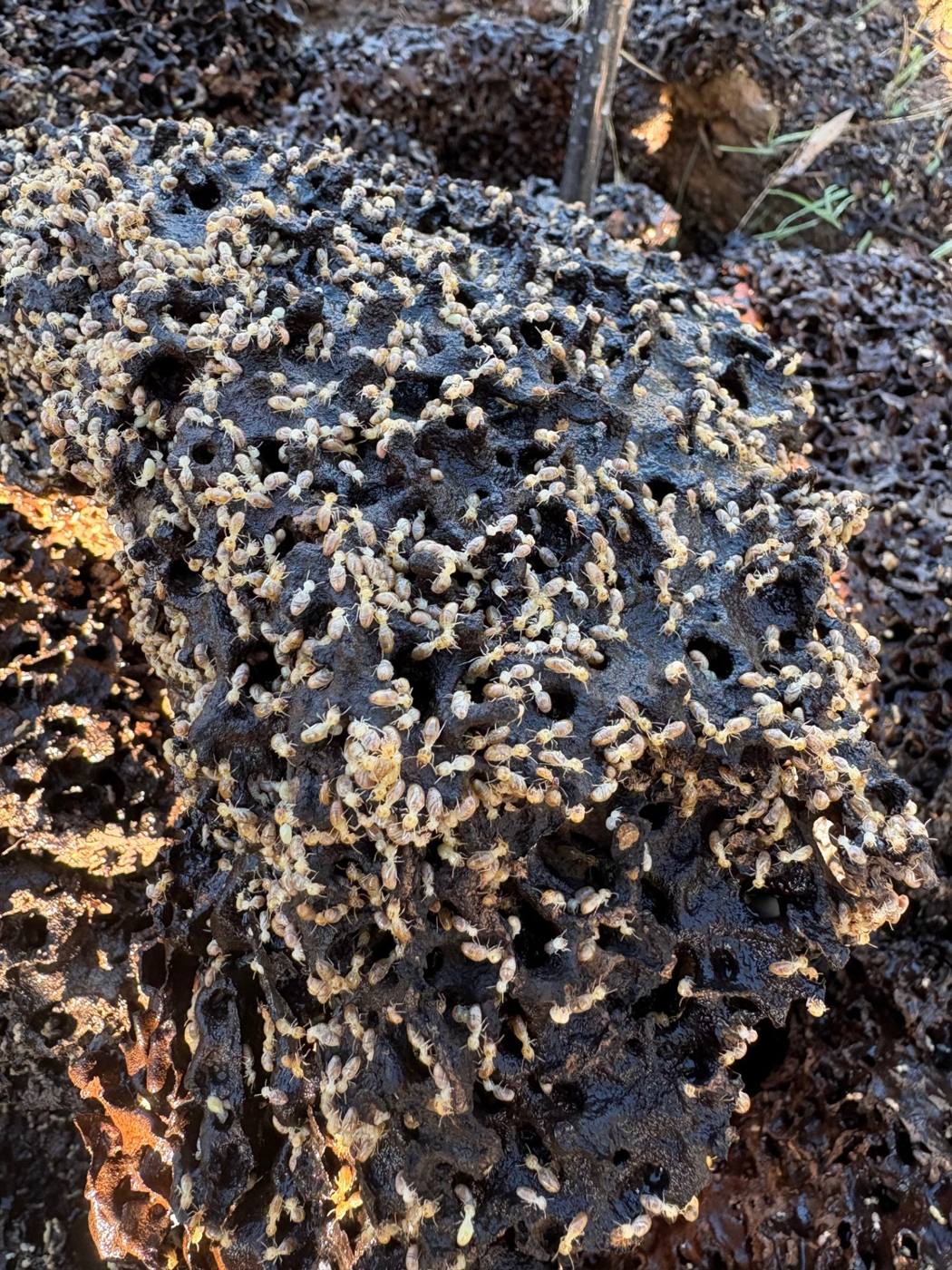
Central Victoria is termite country. The colonies foraging through local bushland don’t wait for a house to be finished — they’re already there when earthworks start.
Bushland across Central Victoria keeps foraging colonies close to new construction from the day the site is cleared.
An AS 3660.1-compliant termite management system is required in designated termite-risk areas — designed in, not bolted on afterwards.
Adding protection after construction means drilling, disruption and working around finished surfaces. Before the slab, it’s seamless.
Coordinated with your builder
Pre-construction protection isn’t a single visit — it’s a set of stages that sit inside your build program.
Slab type, service penetrations and perimeter details reviewed against AS 3660.1 — with local soil and species knowledge applied, not a generic template.
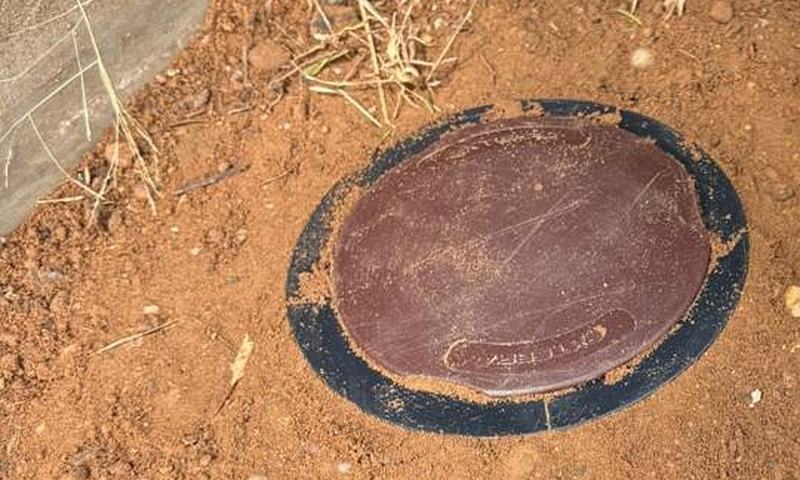
A physical system, a chemical system, or both — chosen for the construction in front of us. Each has strengths depending on the build.
Protection goes in at the correct construction phases — slab penetrations before pour, perimeter zones once external works allow — scheduled with your builder.
Compliance documentation for your builder and certifier, plus a record of exactly what went in and where, for your own file.
Once you’re living there, annual inspections keep the protection verified and the durable notice current.
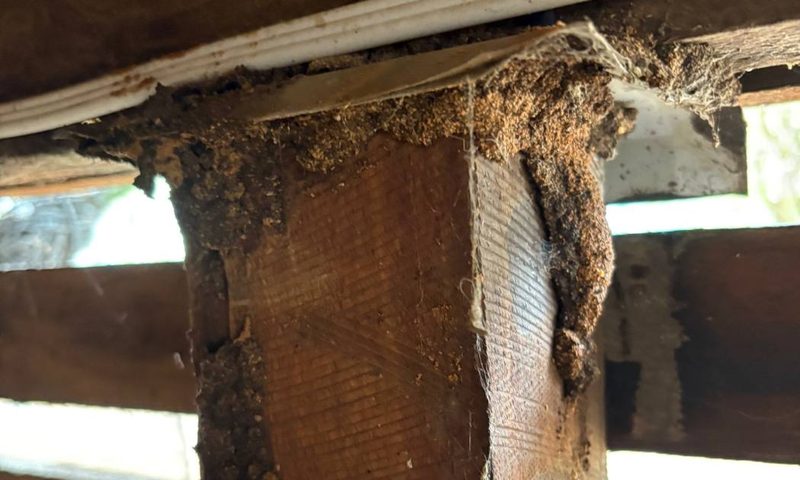
What protection is designed to stop
Built for this soil, these species
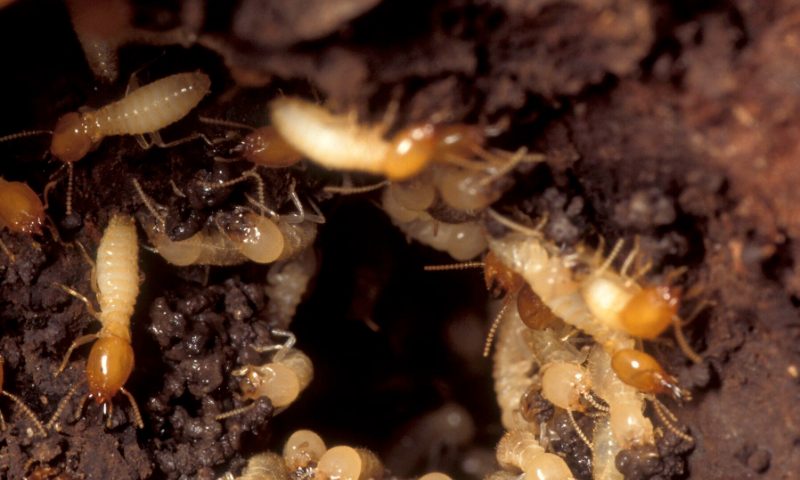
A termite management system is only as good as the thinking behind it. The species foraging in Central Victoria — Coptotermes acinaciformis, Heterotermes spp. and Nasutitermes exitiosus — each behave differently, and the local soils change what works.
Design decisions come from a Field Biologist who works these sites, not from a national spec sheet.
Slab penetrations, perimeter zones and construction joints each call for a different answer — many builds use both system types.
You finish with AS 3660.1 compliance paperwork and a clear record of what was installed, where and when.
Termites or white ants? Same insect — ‘white ants’ is just the common Australian name.
Pre-construction termite protection FAQs
When during the build does protection go in?+
At specific stages — typically around slab penetrations before the pour, and perimeter zones once external works allow. It’s scheduled with your builder so it sits inside the build program.
Is termite protection mandatory for new homes?+
In designated termite-risk areas — which includes Central Victoria — the National Construction Code requires a termite management system for primary building elements, installed to AS 3660.1.
Physical or chemical — which is better?+
Neither is better in the abstract. Each suits different construction details, and many builds use both. The design review decides the right combination for yours.
Does an extension or renovation need it too?+
New structural work in a termite-risk area is treated the same way as a new build, and it’s the ideal moment to bring the existing house’s protection up to date as well.
What documentation do I get?+
AS 3660.1 compliance documentation for your certifier, the durable notice for the building, and a record of exactly what was installed and where.
Which termites is it protecting against?+
Locally that means Coptotermes acinaciformis, Heterotermes spp. and Nasutitermes exitiosus — subterranean species that forage underground and enter through the slab or perimeter, which is exactly what a pre-construction system is built to interrupt.
Do I still need inspections after the build?+
Yes. A pre-construction system manages the risk; it doesn’t remove it. Annual AS 3660.2 termite inspections keep the protection verified and catch anything that finds another way in.
Servicing: Bendigo CBD, Kangaroo Flat, Strathdale, Epsom, Eaglehawk, White Hills, Golden Square, Kennington, Flora Hill, Huntly, Maiden Gully, Strathfieldsaye, Heathcote, Castlemaine, Kyneton, Daylesford, the Macedon Ranges and 80+ more areas →
Design the termites out.
Get pre-construction protection planned with your builder before the slab goes down — and a written quote for the system your build needs.