
Rodent Control Bendigo
Rats and mice move into roof voids and wall cavities looking for shelter and food — and a small noise in the ceiling becomes an infestation within weeks. The fix is baiting plus proofing, not one without the other.
Four steps to a quiet ceiling
Rodent work is half treatment and half building inspection. Bait deals with the population that’s already inside; proofing decides whether a new one walks in behind it.
Rats and mice behave, travel and feed differently. Droppings, runs, rub marks and gnawing all say which one you have — and that changes the whole plan.
Tamper-resistant, locked stations placed on the actual runs — secured against kids, pets and wildlife, and positioned where the rodents already travel.
Entry points are identified and practical exclusion advice provided, because baiting without proofing is a subscription rather than a solution.
Stations are checked and activity tracked until the property is quiet — and stays quiet.
The signs that come before the sighting
By the time a rodent is seen in daylight the population is usually well established. These are the earlier signals.
Scratching, scurrying or a rolling sound in the ceiling, usually after dark. Rats travel roof lines and wall cavities, so the noise moves along a route rather than staying in one spot.
Droppings behind the fridge, in the pantry or in the roof space, plus chewed packaging, cable insulation or timber edges. Size and shape of the droppings help identify the species.
Rodents use the same paths repeatedly, leaving greasy smears along skirtings, pipes and beams. Those runs are exactly where bait stations need to go to be effective.
Rats or mice — it matters
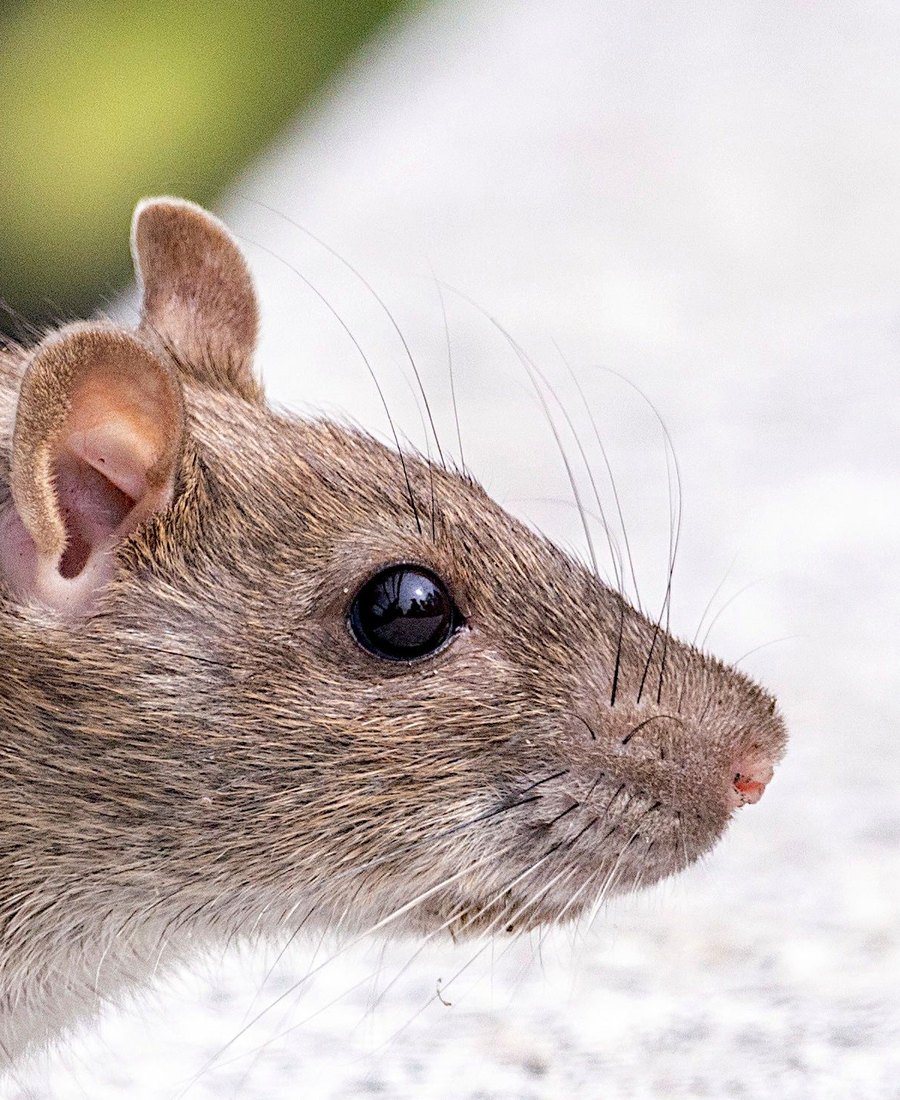
A roof rat travels rooflines, pipes and wires; a house mouse lives within a few metres of its food and never needs to range further. Treating them identically is why supermarket baiting so often fails. Species-matched placement is most of the battle.
Bait on the actual runs outperforms bait in convenient corners, every single time.
Secure, tamper-resistant stations protect pets, children and non-target wildlife.
Sealing entry points is the difference between ongoing control and lasting relief.
Rodents are one part of the picture. For the full household service, see Pest Control Bendigo.
Rodent control FAQs
Is baiting safe with pets in the yard?+
Bait sits inside locked, tamper-resistant stations, placed where rodents travel and pets don’t. Any precautions specific to your property are explained before the job starts.
Rats or mice — does it really matter?+
A lot. They travel, feed and nest differently, so station placement, bait choice and proofing priorities all change with the species. Getting that wrong is the most common reason DIY baiting fails.
Can you stop them getting back in?+
Proofing and exclusion guidance is part of the job. Entry points are identified during the inspection and practical fixes recommended — gaps around pipes, damaged weep hole screens, roof line gaps and poorly sealed doors.
Will there be a smell if they die in the roof?+
It’s possible with any rodent program. Baiting is planned to reduce that risk, and Joel will explain what to expect and what to do if it happens.
Do I need a follow-up visit?+
Usually, yes. Rodent programs are monitored rather than one-and-done — stations are checked and activity tracked until the property is quiet.
What does rodent control cost?+
It varies with the property, the species and the scale of the activity. Call 0467 857 177, describe what you’re hearing or seeing, and Joel will talk you through a quote.
Servicing: Bendigo CBD, Kangaroo Flat, Strathdale, Epsom, Eaglehawk, White Hills, Golden Square, Kennington, Flora Hill, Huntly, Maiden Gully, Strathfieldsaye, Heathcote, Castlemaine, Kyneton, Daylesford, the Macedon Ranges and 80+ more areas →
Whatever’s bugging you — book it in.
Describe the problem and Joel will identify it, treat it and tell you how to keep it gone.